- Treatments
- Training
- Ombre Brows
- Microblading
- 4d and 5d Brows
- Roller fog Brows
- Eyebrow pigment Removal
- Hydra Facial
- Lip blush
- BB Glow
- Lash Lift
- Peel treatments
- Diamond Derma with Glass Skin treatment
- Scalp Micropigmentation
- Intense color Theory
- Live hand on model
- Assignments
- Machine practise
- Business Training
- Lifetime Support
Melasma and Pigmentation: Causes, Symptoms, Treatment, and PreventionUnderstanding Melasma and Skin Pigmentation

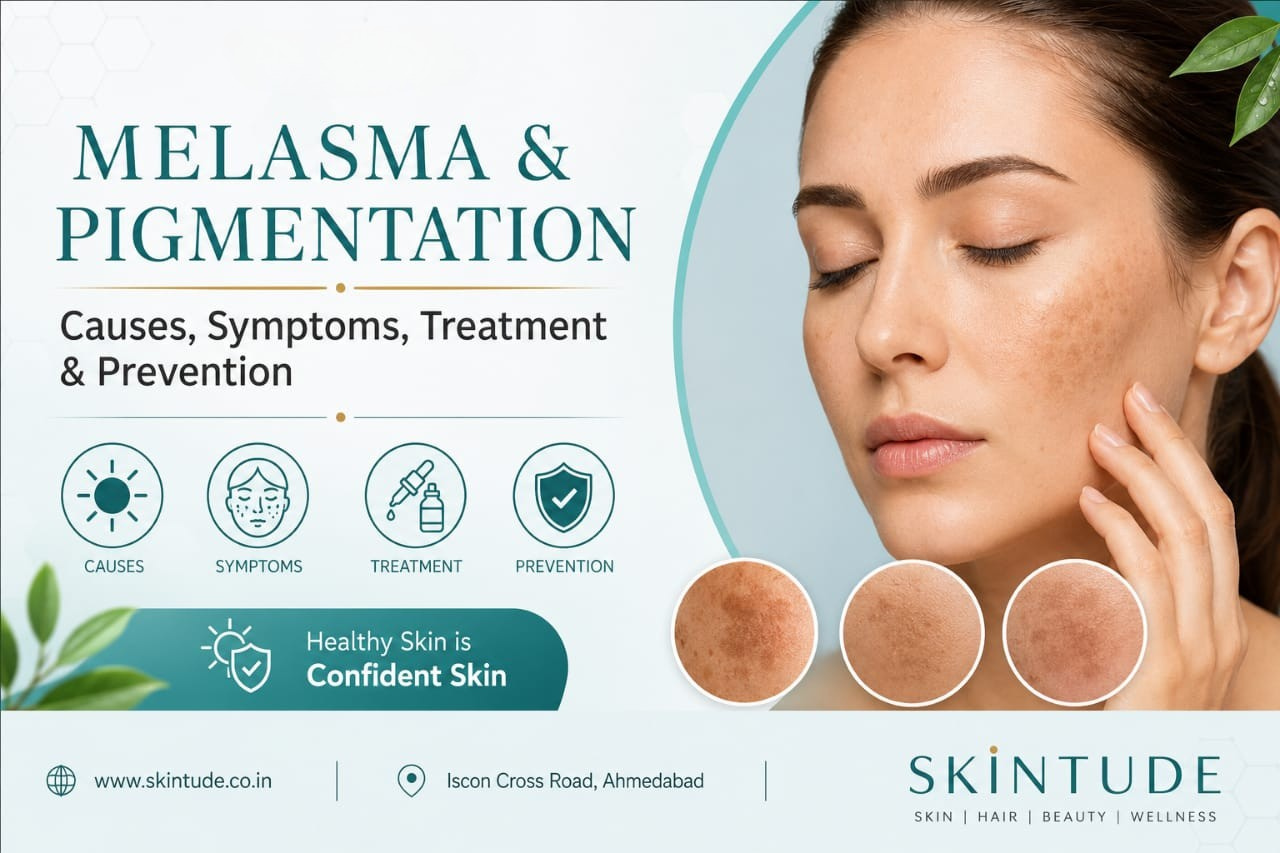
Healthy, glowing skin is something many people strive for. However, conditions like melasma and other forms of pigmentation can lead to uneven skin tone and dark patches that affect appearance and confidence. Understanding why pigmentation occurs and how it can be managed is the first step toward healthier skin.
What Is Melasma?
Melasma is a common skin condition characterized by brown, gray-brown, or tan patches that usually appear on the face. It most commonly affects the cheeks, forehead, nose, upper lip, and chin. Although anyone can develop melasma, it is more common in women, especially during pregnancy or due to hormonal changes.
Melasma is not harmful or contagious, but it can be persistent and may require ongoing management.
What Is Skin Pigmentation?
Skin pigmentation refers to the color of your skin, which is determined by a pigment called melanin. When melanin production becomes uneven or excessive, dark spots or patches may develop. These can result from sun exposure, acne, inflammation, hormonal changes, or certain medications.
Common Causes of Melasma and Pigmentation
Several factors contribute to melasma and hyperpigmentation, including:
Excessive sun exposure
Hormonal changes during pregnancy or while taking oral contraceptives
Genetic predisposition
Thyroid disorders
Certain cosmetics or skin-care products that irritate the skin
Post-inflammatory pigmentation following acne, eczema, or skin injuries
Symptoms
Melasma usually presents as:
Symmetrical brown or grayish patches on the face
No itching, pain, or discomfort
Darkening of patches after sun exposure
Treatment Options
Treatment depends on the severity and underlying cause. Common approaches include:
- Sun Protection
Daily use of a broad-spectrum sunscreen with SPF 30 or higher is essential. Wearing hats and seeking shade can also help prevent worsening of pigmentation.
- Topical Medications
Dermatologists may prescribe creams containing ingredients such as hydroquinone, azelaic acid, kojic acid, tranexamic acid, retinoids, or vitamin C to reduce pigmentation.
- Chemical Peels
Superficial chemical peels can help remove excess pigmentation and improve skin texture when performed by trained professionals.
- Laser and Light Treatments
Certain laser treatments may improve pigmentation in selected patients. However, they should only be performed after a thorough evaluation, as some laser treatments can worsen melasma if not appropriately chosen.
- Oral Medications
In selected cases, dermatologists may prescribe oral medications such as tranexamic acid after evaluating the patient’s medical history and suitability.
Prevention Tips
Apply sunscreen every morning and reapply every two to three hours when outdoors.
Wear protective clothing, sunglasses, and a wide-brimmed hat.
Avoid excessive sun exposure, especially during peak UV hours.
Follow a gentle skincare routine.
Do not pick at acne or skin injuries.
Consult a dermatologist before trying over-the-counter skin-lightening products.
Myths About Melasma
Myth: Melasma can be cured permanently.
Fact: Melasma can be effectively controlled, but it may recur, especially with sun exposure or hormonal changes.
Myth: Home remedies always remove pigmentation.
Fact: Some home remedies may irritate the skin and worsen pigmentation. Professional guidance is recommended.
Myth: Only women develop melasma.
Fact: Although more common in women, men can also develop melasma.
When Should You See a Dermatologist?
If you notice new dark patches, pigmentation that spreads rapidly, or pigmentation that does not improve with proper skincare and sun protection, consult a dermatologist for an accurate diagnosis and personalized treatment plan.
Conclusion
Melasma and pigmentation are common skin concerns that can often be managed successfully with the right combination of sun protection, medical treatment, and consistent skincare. Early diagnosis and a personalized treatment plan can help improve skin tone while reducing the chances of recurrence. If you’re concerned about persistent pigmentation, seeking advice from a qualified dermatologist is the best way to achieve safe and effective results.
If this blog is for your dermatology clinic or website, I can also optimize it for SEO by adding keywords, a meta title, meta description, FAQs, and headings designed to improve search engine visibility.